

Introduction: A Rough Time for US Aviation
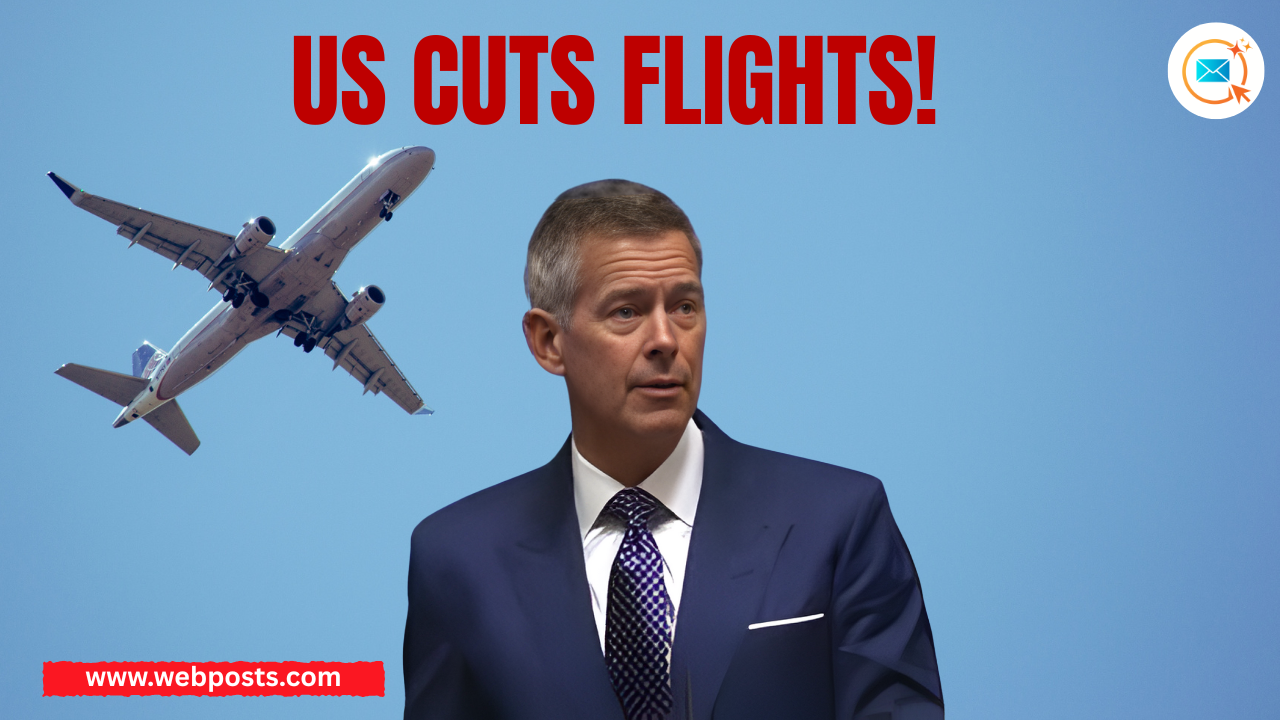
The US aviation industry is once again in trouble. The Biden administration has announced a 10% cut in domestic flights during a long government shutdown. This shows that air traffic operations are becoming more difficult. Experts say that America’s skies are heading toward a full-blown aviation crisis as thousands of travelers deal with cancellations and long delays.
The situation shows that air travel is not just temporarily disrupted, but that it relies on the federal government and staffing systems that are now under a lot of stress.
The Shutdown Effect: How Politics Grounded Planes
The shutdown of the US government has had a ripple effect on almost every federal department, but the Federal Aviation Administration (FAA) has been hit the hardest.
Thousands of safety inspectors and air traffic controllers are either on leave or working without pay. What happened? There aren’t enough staff at important airports like Atlanta, Chicago, and New York, which is causing big delays and making the FAA tell airlines to cut flights.
In an emergency briefing, officials said that 10% of flights will be canceled across the country, with priority given to important operations and emergency travel. Airlines are now rushing to change their schedules, move planes, and deal with the chaos of passengers.
Passengers Caught in the Crossfire
The truth is that things are bad for travelers. It’s becoming normal for flights to be canceled, moved to a later time, and for people to wait in line for hours at airports. People stuck at airports are posting angry messages on social media sites like X (formerly Twitter) about the chaos they see.
“I’ve been at JFK for eight hours and haven’t heard anything.” “Nobody seems to be in charge,” said one passenger.
Airlines like Delta, United, and American have given travelers the option to rebook without paying any fees, but there is still a lot of uncertainty.
Why Air Traffic Controllers Are the Last Straw
Air traffic control (ATC) is what keeps flying safe. There are more than 14,000 active controllers in the US, so even a small problem can have big effects. But because of the shutdown, one in ten controllers can’t work, which means the rest of the staff has to work extra hours.
Experts say that being tired and not having enough staff could make near-miss events more likely. Mark Peterson, an aviation safety expert, said “You can’t put safety at risk in the air. Cutting flights by 10% isn’t just about having fewer planes; it’s also about stopping disasters.
Economic Fallout: Billions at Risk
The aviation industry in the US brings in more than $1.5 trillion to the economy every year. If the shutdown continues, airlines are expected to lose billions of dollars in revenue over the next few months because there will be fewer flights and less demand for travel.
The tourism and business travel industries are also hurting. Major airports like Los Angeles, Dallas, and Miami, which rely heavily on both international and domestic traffic, are seeing a big drop in the number of passengers. Travel companies and hotels have begun to warn people about falling occupancy and bookings.
If the shutdown lasts more than two weeks, economists say the losses could be worse than those seen during the first COVID-19 lockdowns.
The world feels the shockwaves of the global repercussions.
The effect isn’t limited to the US. International airlines that have connecting flights through American airports are having trouble with their schedules. British Airways, Lufthansa, and Air India are just a few of the European and Asian airlines that have already said they will change the number of flights they offer to US destinations.
Foreign travelers are also confused because it takes longer to get a US visa and airport operations are becoming more and more unpredictable.
The International Air Transport Association (IATA) has asked the US government to end the shutdown right away. They say that “global air travel stability depends heavily on the reliability of the US aviation system.”
What Airlines Are Doing
To keep things running smoothly, US carriers are putting contingency plans in place:
- Cutting back on unnecessary routes, like short-haul domestic flights.
- Putting business and international routes first to keep important sources of income.
- Using bigger planes to combine passenger loads.
- More automation and AI systems to help with customer service and rebooking.
- These steps may help in the short term, but they don’t fix the main problem: a lack of government funding and staff that makes air traffic systems stop working.
Experts say there will be long-term effects.
People who work in the aviation industry think that the damage could last long after the shutdown ends. It can take up to two years to hire and train new air traffic controllers. This means that current shortages could make the system even worse when normal operations start up again.
The situation also lowers travelers’ confidence, and many are now avoiding US routes because they are unsure and afraid of cancellations.
Susan Ray, a travel analyst, said,
“This crisis shows a deeper weakness: America’s reliance on a shaky system that could fall apart at any time if the government can’t agree.”
What the government did and what comes next
There is still no clear timeline for ending the shutdown, even though talks are still going on in Washington. The Department of Transportation has asked for emergency funds to keep important FAA operations going, but Congress is still split on the issue.
President Biden has told Congress to do something about the problem, which he says is a “national security risk” that puts both safety and the economy at risk.
The aviation industry and millions of travelers will stay in limbo until an agreement is reached.
In conclusion, America’s skies are at a crossroads.
The 10% cut in flights is more than just a change in plans; it’s a warning sign. The US aviation system, which used to be a symbol of reliability around the world, is now having trouble because of political gridlock.
If the shutdown goes on, it could hurt America’s reputation around the world and damage its aviation infrastructure in the long run.
In an industry where timing, accuracy, and trust are everything, the skies have never looked more unclear.