Hyundai India has just announced a big plan that lasts until FY2030. The size of these plans makes it seem like a new era is about to start. At a fancy meeting for investors, the Korean car company confirmed the release of the 2025 Hyundai Venue, eight hybrid models, an affordable electric vehicle (EV) made for Indian buyers, the launch of its luxury brand Genesis, and many other surprises. These announcements aren’t just about new cars; they also show that Hyundai is committed to a long-term plan in India’s rapidly changing auto market, as well as more localization and sustainability.
A New Chapter Begins: 26 New Models and a New Location
The 2025 Hyundai Venue is one of the first big things that Hyundai has planned. On November 4, 2025, it will be available. People say that the redesigned Venue has modern features like two 12.3-inch screens, level-2 ADAS (advanced driver assistance systems), and better infotainment that gets updates over the air. These changes show that Hyundai wants to keep up with global standards, even in its cheaper models.
Hyundai, on the other hand, has much bigger plans for India. It wants to come out with 26 new models in the next five years. These will include all-new nameplates, generational upgrades, electric cars, hybrids, and updates to the design and features. The breakdown by phase is interesting: in the first few years (FY25–26), there will be small introductions, but in the later phases (FY27–30), there will be bigger launches, including models that have never been seen in India before.
Hyundai has made it clear that it will enter new markets by releasing an MPV (multi-purpose vehicle) and an SUV that can go off-road. Hyundai would have more types of cars than just SUVs and sedans with these new models. The MPV could be for families who want a car that is bigger than the Ertiga but smaller than the Innova. The off-roader could be for people who want tough, capable SUVs for their lifestyle.
CarDekho
Accepting the Hybrid Revolution
Hybrids are clearly an important part of Hyundai’s plan. By the end of FY2030, the company plans to release eight hybrid models, ranging in size from small to large. Hyundai wants to offer hybrid powertrains in all of its cars, not just a few high-end or niche models.
Hyundai and its group have already tried out hybrid platforms all over the world, such as mild, strong, and plug-in systems. A lot of people in India think that many of these new hybrids will have a turbo-petrol engine (like a 1.6L or 2.5L) and electric motors. This will make them work better without having to rely on battery charging stations all the time.
CarDekho
Hybrids are very important because they link ICE cars with full EVs. This is especially true in India, where they are still building charging stations. Hyundai can help people get used to electric cars and ease their range anxiety by making hybrids in a lot of different styles.
A truly “accessible” EV for India
Hyundai already sells the Creta Electric and Ioniq 5 in India, but it hasn’t sold many other electric cars there. Hyundai will fix this by releasing an electric vehicle (EV) that was designed in India and is ready for Indian conditions. This EV is easy to get to and probably comes with two battery pack options (standard and long range), a high-tech infotainment system, and level-2 ADAS support.
The goal is to make an electric vehicle (EV) that can compete with the Tata Punch EV and Nexon EV in the compact SUV or sub-4-meter range. The cost will probably be around ₹10 lakh (before taxes). The plan is for this little electric SUV to come out in 2026.
CarDekho
This plan is in line with Hyundai’s goal of making electric vehicles easier to get around the world. By making design, production, and supply chains more local, Hyundai can offer better value and sell more cars in India.
Genesis Debuts in India: A Threat to Local Luxury
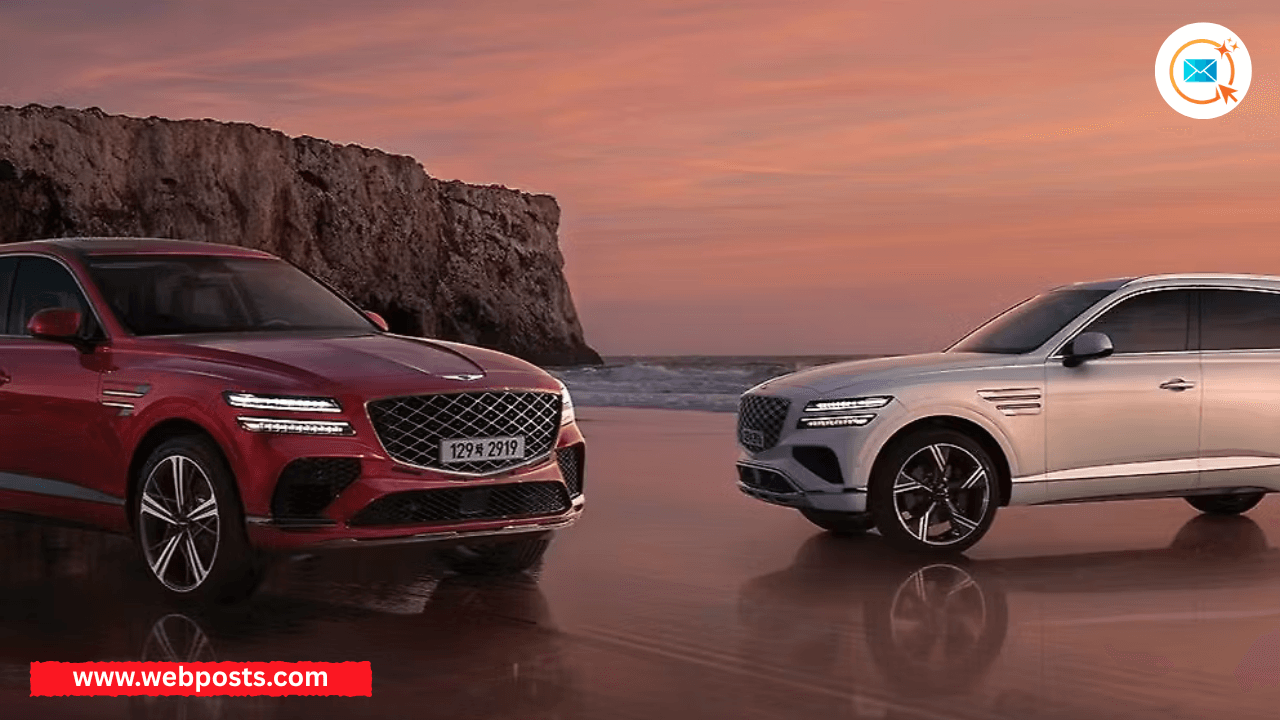
The news that Genesis, Hyundai’s luxury brand, will come to India may be the most daring step on this plan. Hyundai has said that Genesis might be “Made in India,” either through CKD (completely knocked down) or localized production to keep costs down while still providing a high-end experience.
The teaser shown at the investor meeting made it seem like the GV80 could be one of the first Genesis cars to be sold in India. If Genesis is priced and packaged well, it could compete with brands like Mercedes-Benz, BMW, Audi, and Lexus.
CarDekho
Hyundai’s move into luxury shows that the company wants to offer everything, from cheap to expensive. It shows that rich people in India are ready to buy local brands that compete with well-known German ones.
The Talegaon Plant and Scale: Making Manufacturing Stronger
You need to be just as ambitious about making the product as you are about making big plans for it. Hyundai has started building its new plant in Talegaon, Maharashtra. This plant will work with its plants in Chennai. The goal is to be able to make 1.1 million units by 2028.
CarDekho
The plants in Chennai make about 824,000 units right now, and the plants in Talegaon add about 170,000 units. Hyundai wants to add 80,000 more units to Talegaon, which will bring the total output to more than 1,074,000 units.
This scale is important for more than just meeting the needs of the area. It also helps exports, lowers the need for imports, and makes economies of scale work better. Hyundai will also be able to compete better on price if they make their cars in the U.S., especially in places where people care a lot about price.
There are different kinds of powertrains, such as ICE, EVs, hybrids, and CNG.
Hyundai’s future lineup won’t have just one drivetrain. It wants to use more than one powertrain instead. By the end of FY2030, it will sell ICE, hybrids, electric cars, and CNG versions of these cars. There will be 13 ICE models, 8 hybrids, 5 EVs, and 6 CNG variants.
CarDekho
Hyundai will keep making and updating ICE models for the next few years so that it can keep making money. But as infrastructure and buyer acceptance grow, hybrids and electric vehicles will take on a bigger share. Hyundai can be more flexible and take fewer risks by using this different approach.
Strategic Goals and Their Effects on the Market
This plan is not just about cars; it’s a big shift in strategy. Hyundai India wants people to think of them as more than just a volume player; they want to be known as a full-spectrum mobility brand. Hyundai is betting that the Indian market will reward a forward-looking, electrified portfolio by making a lot of new models, expanding the brand, and making cars in India.
The switch to hybrids is also a very smart move. In the short term, hybrids may be better off than pure EVs because of India’s tax and regulatory systems. And car makers all over the world see hybrids as a step toward full electric cars. Hyundai’s early push gives it an advantage.
There are risks to entering the Genesis market and making it feel like a high-end brand. Brand perception, parts, aftersales, and competition are all big issues. But Hyundai’s trust in CKD or assembly strategies could let them set prices that high-end buyers don’t expect.
The localized small electric vehicle is another very important part of the strategy. Tata is the most well-known brand in India’s electric vehicle market. However, Hyundai could fill a need in the market by making an affordable EV with a long range, a lot of features, and low operating costs.
Lastly, Hyundai needs more manufacturing capacity to reach its goals on the supply side. It will be very important to meet demand, avoid running out of stock, and make the most of export opportunities.
Hyundai’s India Tomorrow: The End
The goals Hyundai India has set for FY2030 are very high. They include new segments, hybridization, making electric cars easier to get, goals for luxury brands, and more manufacturing power. On November 4, 2021, the 2025 Venue will come out. Hyundai is getting ready to meet India’s changing transportation needs by releasing 26 new models, eight hybrids, an electric vehicle that is the first of its kind in India, and Genesis.
Hyundai’s plan for the future shows that it wants to be at the center of the changes in the Indian auto market as it moves toward sustainability, connectivity, and premiumization. Execution will be very important for success. This includes launching on time, keeping costs down, getting consumers to accept the product, and having a reliable infrastructure. But right now, Hyundai’s vision is one of big changes, big goals, and faith in India’s future.
Explore more interesting and insightful reads on Webposts.